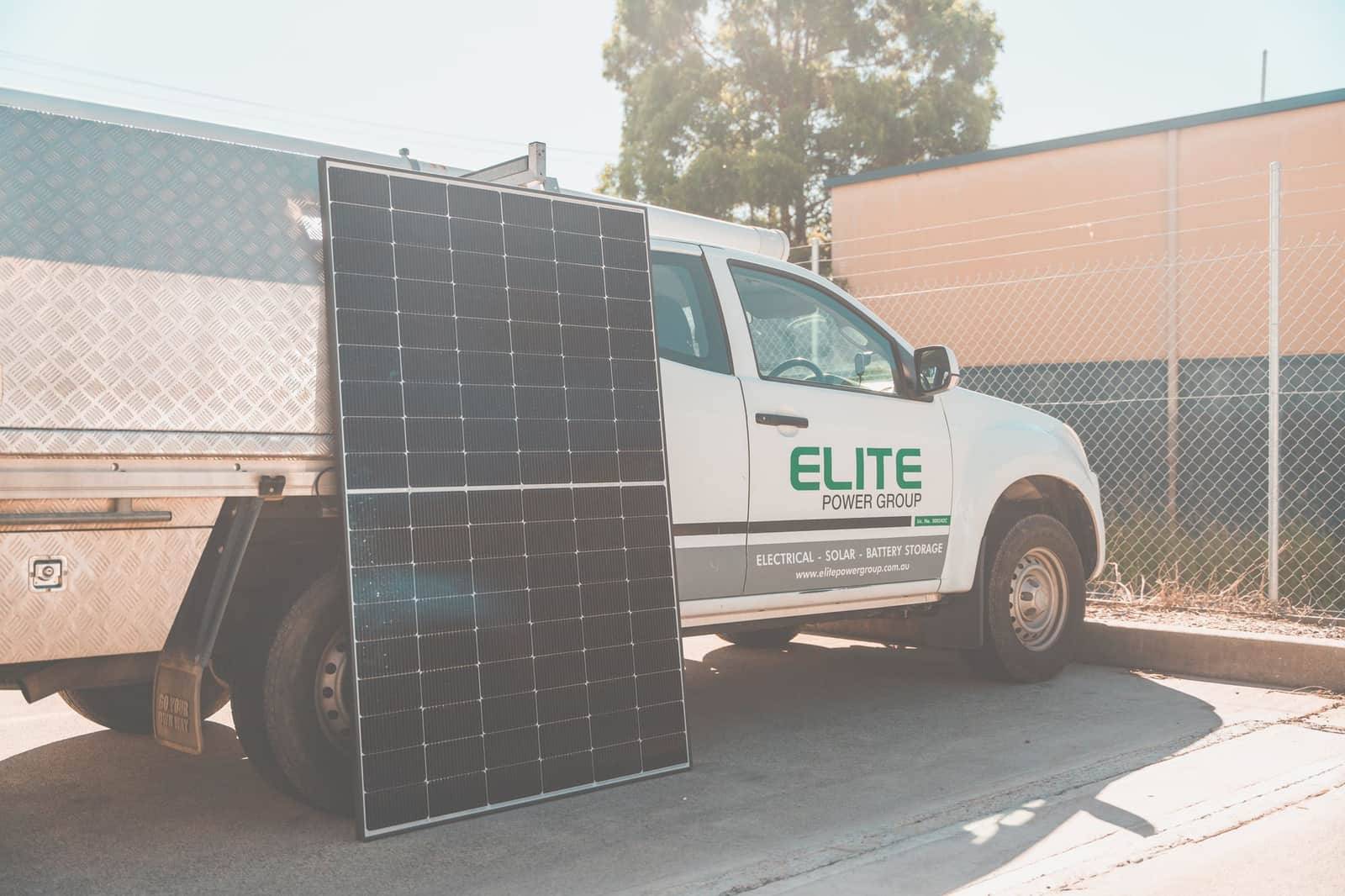
It depends on how the ute is used, and the rules are about to change. Right now, a company ute avoids fringe benefit tax (FBT) only on days it qualifies as a “work-related vehicle”. A Bill introduced on 10 September 2026 proposes scrapping that from 1 April 2027 and replacing it with six categories, from 100% down to 0% private use. For any ute bought after 10 September 2026, sign-writing becomes the deciding factor.
That’s the short answer we give on the phone. The questions that follow are usually more specific: “I’ve got two utes and one goes to the bach on weekends,” or “I’m about to buy a new one. Should I wait?” This guide works through them.
Who actually pays FBT on a ute?
FBT is a tax on employers. It applies when a business makes a vehicle available to an employee for private use. Owners get caught too: if your company provides a ute that you drive as a shareholder-employee, that’s an employer providing a vehicle to an employee.
If you’re a sole trader or in a partnership, FBT doesn’t apply to you. You make a private use adjustment in your income tax instead, and the Bill commentary says those rules are unchanged.
So the people who need to pay attention are:
- companies with staff who take vehicles home;
- owner-operated companies where the director drives the company ute;
- trusts and other employers with vehicles in the business.
How does the work-related vehicle exemption work today?
Under current law, a ute isn’t automatically FBT-free just because it’s a ute. According to Inland Revenue’s exemption rules, it has to meet every condition, every day:
- a gross laden weight of 3,500 kg or less;
- permanent business identification on the outside. Magnetic or removable signs don’t count;
- designed mainly to carry goods, or goods and passengers equally;
- staff told in writing that private use isn’t allowed, other than necessary home-to-work travel and travel incidental to business trips.
The catch is that last bit. The exemption doesn’t apply on any day the ute is available for private use, even if nobody uses it. A ute that’s free to go fishing on Saturday can attract FBT for Saturday. Many owners don’t realise that, and it’s one reason the government wants to change the system.
What’s changing from April 2027?
The Bill is the Taxation (Annual Rates for 2026–27, FBT Simplification, Foreign Investment Funds, and Remedial Measures) Bill. Inland Revenue’s Bill commentary describes the new system as “close enough is good enough”. Instead of counting days, you pick a category when you give someone a vehicle and use that rate.
| Category | How the vehicle is used | Branding? | Private use rate |
|---|---|---|---|
| 1 | Mainly private (the default) | No | 100% |
| 2 | Mainly business; private use on days off, leave and commuting | Yes* | 35% |
| 3 | Mainly business on farmland, by a shareholder-employee or trust beneficiary | No | 35% |
| 4 | Mainly business; private use only commuting to work | Yes | 20% |
| 5 | Mainly business; commuting only, where work is multiple sites or a limited-duration project | Yes | 0% |
| 6 | Pool vehicle, business use only | No | 0% |
*Farming businesses that aren’t widely held companies are exempt from branding for category 2.
The calculation then becomes: category rate × the vehicle’s value under the schedule × your FBT rate. For a petrol or diesel vehicle on the cost basis, the yearly value stays at 20% of cost. The Bill adds slightly lower rates for hybrids and EVs.
A few other proposals matter for ute owners:
- The exemptions go. The work-related vehicle, emergency call and business travel exemptions would be repealed, because the categories cover that ground.
- The weight limit rises from 3,500 kg to 6,000 kg. Some heavier dual-cab utes and vans that sat outside the motor vehicle rules would come inside them.
- Incidental use is ignored when choosing a category. The commentary’s example is a staff member borrowing the work van once to move flat.
- “Mainly” means more than half. Home-to-work travel counts as private use, not business use, when you test this.
Does my ute need sign-writing now?
This is the most practical change, and the one with a date already behind it.
Categories 2, 4 and 5 require a “branded vehicle”. That means permanent identification on the outside, the kind your business regularly uses. But the requirement only applies to vehicles purchased or leased after the Bill was introduced, which was 10 September 2026. Vehicles you already had before that date don’t have to be branded to fit those categories.
So if you’re buying or leasing a ute this spring, budget for proper sign-writing as part of the purchase. Without it, a ute that’s used mostly for work can only sit in category 1 (100%) or, if nobody takes it home, category 6. There’s a process to apply to the Commissioner for an exemption where branding isn’t suitable, such as security-sensitive work.
If you’re weighing up a new ute and wondering how to pay for it without draining the tax account, tell us what you’re buying on the enquiry form. A specialist will talk you through the options.
Which category fits my ute?
Here’s how the usual calls tend to sort out, assuming the rules pass as introduced:
“The ute goes from my house to a different job every day and stays home at weekends.” A branded ute used across multiple sites, with only commuting as private use, points to category 5 at 0%.
“Staff drive it to the yard and back, nothing else.” Branded, commuting to the same workplace: category 4, at 20%.
“It’s a work ute all week, but I use it for the tip run and the boat at weekends.” Mainly business with days-off use: category 2, at 35%, provided it’s branded.
“It’s really my car. The business pays for it and I use it for everything.” That’s category 1, 100%, whether or not it has a logo on the door.
You only revisit a category if use changes materially. When it does, the new category applies from the first day of the next quarter. Write down how each vehicle is used now, because that’s the evidence of reasonable care if anyone asks later.
A worked example
This is an illustrative example, not a real client.
Mere and Sione run an electrical company in Hamilton with three utes. One is three years old and sign-written. One was bought in August 2026 with no sign-writing yet. They plan to buy a third in November for a new apprentice.
Today, the older ute qualifies as a work-related vehicle on weekdays, but Sione keeps it at weekends for family use, so FBT applies on those days and someone has to track them.
From April 2027, if the Bill passes as introduced:
- The older branded ute. With weekend use, it falls in category 2 at 35%. If they write a policy limiting it to work and commuting, it could drop to category 4 at 20%.
- The August ute. It was bought before 10 September, so it can use the business categories even without sign-writing. They’ll brand it anyway for marketing.
- The November ute. It’s bought after the cut-off, so it must be permanently sign-written to use categories 2, 4 or 5. They add sign-writing to the quote before they sign.
They also note that the November purchase lands close to their provisional tax instalment on 15 January. Rather than pay cash for the ute and run short for tax, they look at funding the ute separately so the tax money stays put. Our guide to GST and provisional tax cash planning covers that kind of overlap.
What should I do between now and April 2027?
- List your vehicles with purchase or lease dates. The 10 September 2026 cut-off decides which ones need branding.
- Be honest about use. Who takes it home? Does it go out at weekends? Is it mostly business, measured without the commute?
- Sign-write new purchases properly. A permanent decal or paint job, not a magnet.
- Put a vehicle policy in writing. It supports your category choice and gives staff clear rules.
- Ask your accountant about owner vehicles. The Bill also proposes an option for close companies to use the motor vehicle expenditure rules instead of FBT where the only benefits are unclassified ones and no more than two vehicles. Whether that suits you depends on your numbers.
- Watch the Bill. Inland Revenue’s Bill page tracks its progress, and the details may change before it becomes law.
Does FBT change how lenders look at a vehicle purchase?
Not directly. A lender funding a ute looks at what you’re buying, how the business is trading and what it already owes. But the way you pay matters for cash flow. FBT is paid quarterly or annually alongside your other tax, so a large cash purchase just before a tax date can leave you short.
Our answer on how to fund equipment or a vehicle compares the main routes. If security is part of the deal, the PPSR and general security agreements guide explains what gets registered. And if you can’t decide whether the ute should be in your name or the company’s, start with business vs personal borrowing.
Getting the right ute on the road without squeezing your tax cash
A work ute earns its keep every day, and the new FBT rules reward setting it up properly from the start. What usually trips people up isn’t the tax. It’s paying for the ute with money that was meant for GST, provisional tax or wages.
That’s the conversation we have every week. You tell us what you’re buying, when your tax dates fall and how the business is trading. We work out whether a loan sized to your turnover, a property-secured loan from $20,000 to $1m or something else fits best.
The form takes about 60 seconds, and there’s no credit check when you first enquire. We don’t send your details to a pile of lenders, so your phone won’t start ringing with people you’ve never heard of. A real person reads your enquiry and calls you to talk it through.
Please fill it in accurately: what you’re buying, roughly what it costs, and how long you’ve been trading. That way we can line up the right option first time.
Ready when you are
Check your options in about 60 seconds
A few quick questions. Asking won't touch your credit file, your details aren't sent to a pile of lenders, and a real person reads every enquiry.
Ready when you are. Ring 09 875 4577 or request a call back — a lending specialist will talk it through.